How communities in the Northern Frontier locate and manage water through drought, knowledge that has kept people and livestock alive for generations.
When the rains fail in the north, knowing where water is can be the difference between a herd that survives and one that does not. Communities here have built up a body of knowledge about water that has kept people and livestock alive through many dry seasons.
Much of it starts with reading the land. A dry riverbed looks empty, but water often stays under the sand, and people have long known where to dig for it and how deep to go. Certain trees stay green when others have given up, and the green is a sign that moisture is close to the roots. Animals give clues as well. Birds gathering at one spot, and elephants digging in a riverbed, can lead people to a source.
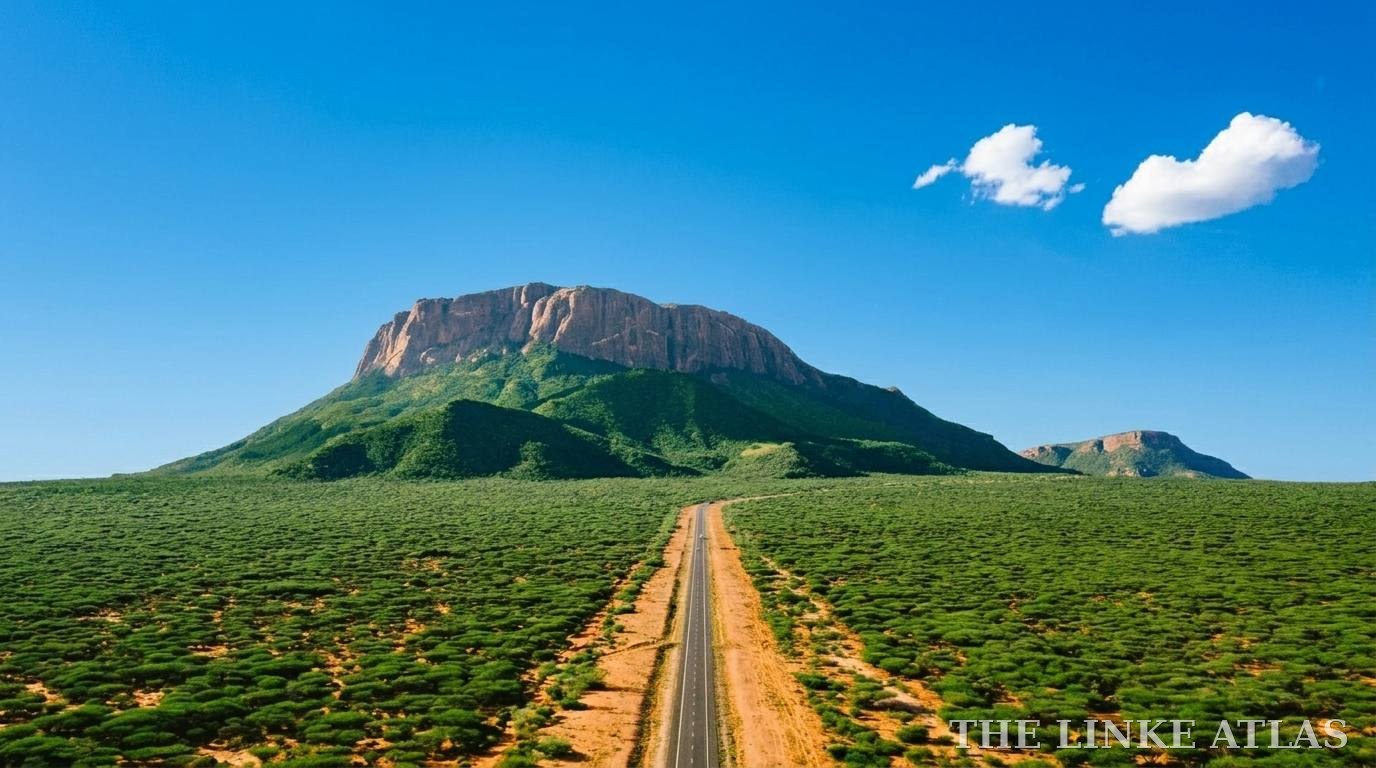
The mountains matter too. Ololokwe is known to the Samburu as a source of water and food for their livestock, and its high pastures and mist forest have carried herds through severe droughts. When the dry season turns into a long drought, Samburu women have traditionally climbed the mountain to pray to Nkai for rain, pouring milk as an offering. The mountain is both a water tower and a place of prayer.
Knowing where water is only solves half of the problem. The other half is sharing it. Wells and waterholes are managed by agreement: who waters first, how long a herd can stay, and when a source needs to rest. In some areas, community trusts such as the Namunyak Community Trust help coordinate grazing and water access across settlements, building on those older arrangements.
Movement is part of the answer too. Herds are moved to follow grass and water, and the timing of the move is decided with knowledge of the season and with the neighbours who share the land. That mobility is a form of risk management that has been practised here far longer than the word "resilience" has been in use.
The dry seasons are getting harder, and the old knowledge is not a complete answer to a changing climate. But it is a foundation that newer tools, such as boreholes and water points, can be built on, not a thing to be replaced.
Water is the thread of SDG 6, clean water and sanitation, and the African Union has named water availability and sanitation as its theme for 2026, in service of Agenda 2063. Samburu knowledge of water, the digging, the green trees and the shared agreements, is indigenous science, and it vibrates on the same frequency as the goal: take what you need, protect the source, leave some for tomorrow.