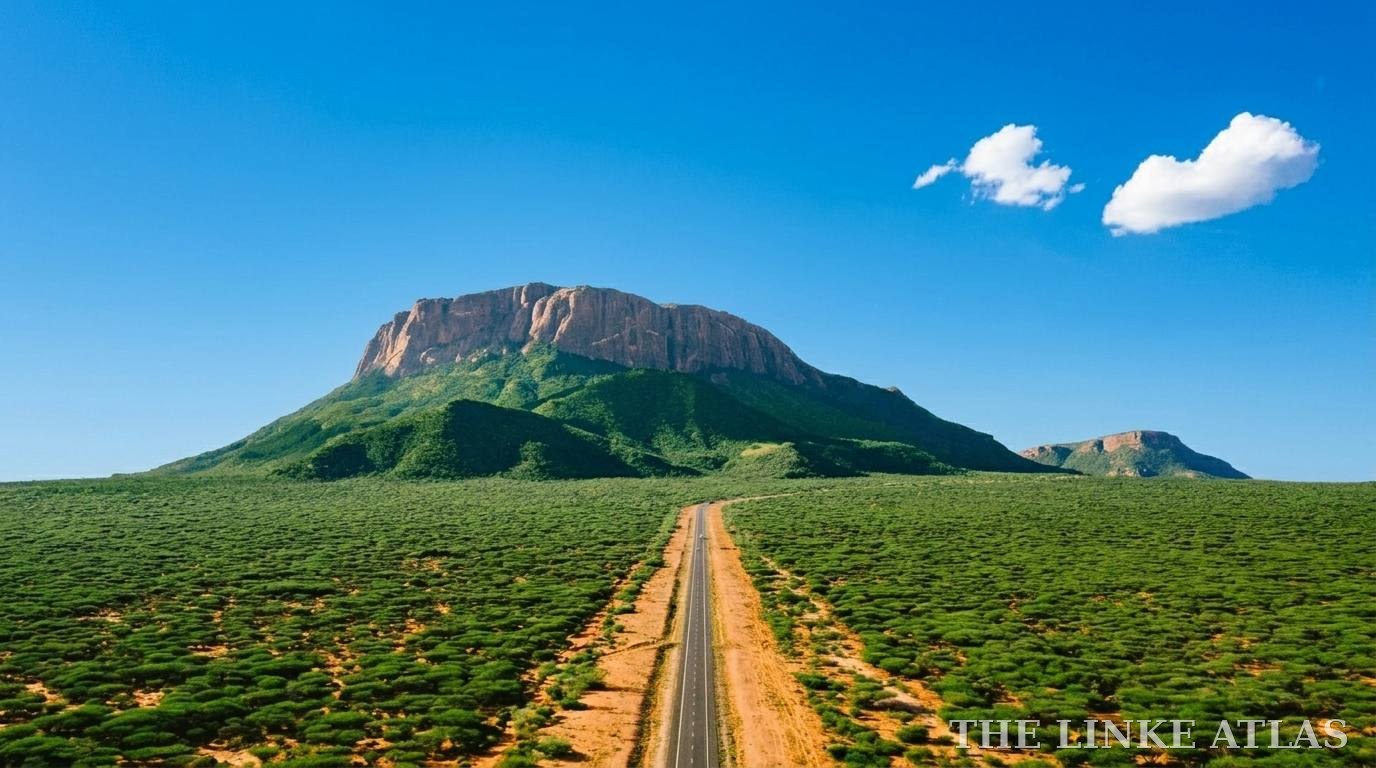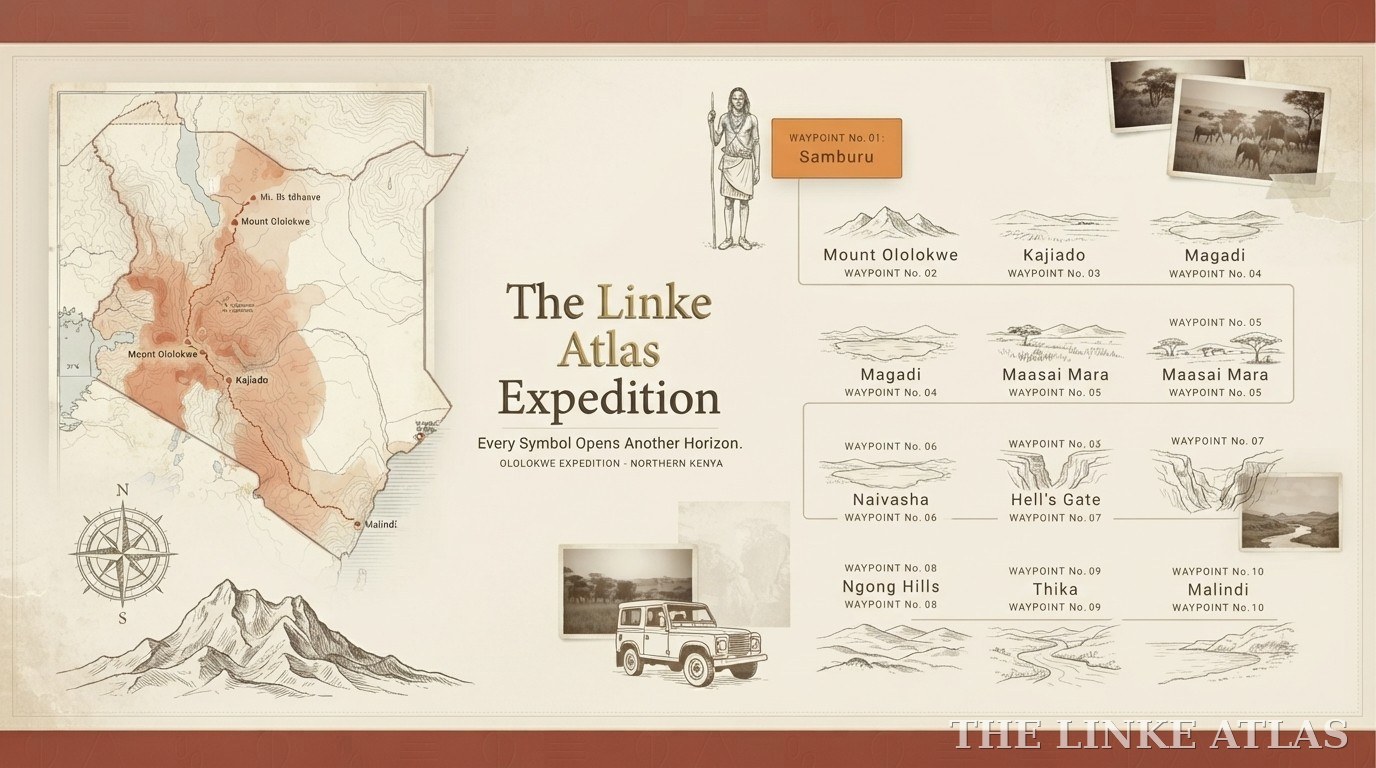
Ololokwe is a long, steep and rewarding day on elephant paths, and a sacred mountain. Here is how to plan it well and walk it with respect.
- Where
- Samburu County, off the A2 Nairobi–Moyale road, roughly 340 to 350 km north of Nairobi (sources vary)
- Height
- About 2,000 m above sea level; also known as Ol Donyo Sabache
- Usual start
- Sabache Camp at the foot of the mountain, reached by a short dirt road off the main road
- Time
- Sources give 2 to 5 hours to the top. Plan for a full day, or sleep on the summit plateau
- Effort
- Hard. Steep, narrow paths and about 800 m of climbing, according to one trail record
- Fees reported
- Conservancy fee about KSh 1,000 to 1,500, guide about KSh 1,000, camping about KSh 500. One source quotes about KSh 1,000 for Kenyans and USD 30 for foreign visitors
- Best months
- Dry seasons: January to February and June to October
Why walk it at all
For Samburu people Ololokwe is the sacred mountain, a source of water and food for herds and a place of rain prayers. The climb takes you from hot thorn bushland through dense forest to a cool, damp plateau with cedars and wild orchids. Many of the paths were first worn into the rock by elephants. Local Samburu guides lead the walk, and it is their mountain: you go as a guest.
The story behind the mountain is in our journal piece Ololokwe: The Mountain That Watches Over Samburu Land. This page is the practical side.
Getting to the foot of the mountain
Drive north on the A2 through Nanyuki and Isiolo and on past Archers Post. The flat-topped mountain rises beside the road, and a dirt road of about 4 km leaves the A2 for Sabache Camp. Ask the camp for exact directions and the turn-off before you set out. Published accounts note there is no regular public transport to the camp, so plan to drive or arrange a transfer. Our guide Getting from Nairobi to Wamba and Maralal covers the roads in more detail.
On the day
- Book a guide. Walking with a Samburu guide is the norm and the safest way to go. Agree the fee before you set out.
- Time your start. The first section is hot, open bushland, so ask your guide for the best start time on the day.
- Expect to go slowly. Accounts of the climb range from two hours to five. Count on the longer end if you want to stop for plants, views and stories.
- Take the cairn tradition seriously. First-time visitors are invited to add a stone to the cairn near the summit and make a wish. Ask your guide how.
- Watch for wildlife. Elephants use these paths. Follow your guide’s lead and keep quiet near bends.
What to pack
- Sturdy hiking shoes with good grip, and a walking stick
- Plenty of drinking water and snacks
- Sun hat, sunscreen and sunglasses
- A warm layer and a light rain shell: the summit is cooler and can be windy, damp and misty
- Head torch if you will be out near dusk or camping
- A small bag for your rubbish, and cash in small notes for fees
Respect on the mountain
Ololokwe holds prayers, ceremonies, caves and streams that families still use. Stay on the paths your guide chooses, ask before photographing people or ritual places, take your rubbish with you and keep your voice low near sacred spots. More in our guide to Samburu cultural etiquette for visitors.
Where to stay
Sabache Camp
At the foot of Ololokwe, the usual starting point for the climb. Published accounts describe rooms and camping, with meals and a local Samburu guide. Contact the camp directly for current prices and availability.
Visit sabachecamp.comLaikipia Mara Homestay
A community partner in Makutano, Nanyuki, on the Nanyuki–Meru Road. Executive Airbnb-style stays with king-size beds, fast Wi-Fi, a work table, 24-hour security and parking. Nanyuki sits on the A2 route north from Nairobi, around 200 km out, so it breaks the drive well.
About this partnerArchers Samburu
A four-bedroom homestay villa in Archers, Samburu, 1 km from Samburu National Park, listed on our Partners page.
About this partnerSamburu safaris
Game drives and guided days around Samburu National Reserve and the conservancies.
See safari optionsAffiliate links: if you book through a stay or safari link on this page, we may earn a small commission at no extra cost to you. Links are marked as sponsored.
Take the guide with you
The free Ololokwe Visitor Field Guide puts the essentials in one short PDF: the route, the hike, respect on the mountain, the sky and where to stay.
Facts checked in October 2026 against published sources, which sometimes disagree. Fees, opening arrangements and road conditions change, so confirm with your host or guide before you travel.
Sources: K24, Mount Ololokwe: why it is one of Kenya’s ultimate hikes (20 August 2026); Jambo Nairobi, Mt Ololokwe; Wikiloc trail records for Sabache Camp to the summit; Discover Kenya, Ololokwe listing; Wilder magazine, A night on Ololokwe; our own journal piece, Ololokwe: The Mountain That Watches Over Samburu Land.