Samburu hospitality is generous. A few habits of respect make you a welcome guest, and they protect the places and people you have come to meet.
Greet first
Greet before you ask anything. A simple Swahili “Habari?” or “Jambo”, a handshake and a moment of small talk matter more than they seem to. Ask your guide how Samburu greetings are done in the area you are visiting and follow their lead, especially around elders.
Ask before you photograph
Ask permission before photographing people, homes, animals, ceremonies or sacred places. Some people will say no, and some may ask for a small fee for posed pictures: both are fair. Do not photograph children without a parent’s agreement, and never treat a person as scenery. If someone hesitates, take that as a no.
Go with a guide, and through the right people
Samburu land is lived in, grazed and, in places, sacred. A guide knows where you can walk and where you should ask first, and an organised visit means hosts are paid fairly and explain things properly. Do not wander into a homestead uninvited. Visits to a manyatta are usually arranged with the community’s agreement, not dropped in on. We say more about this in Why Some Places Are Never Walked Alone.
At a sacred place
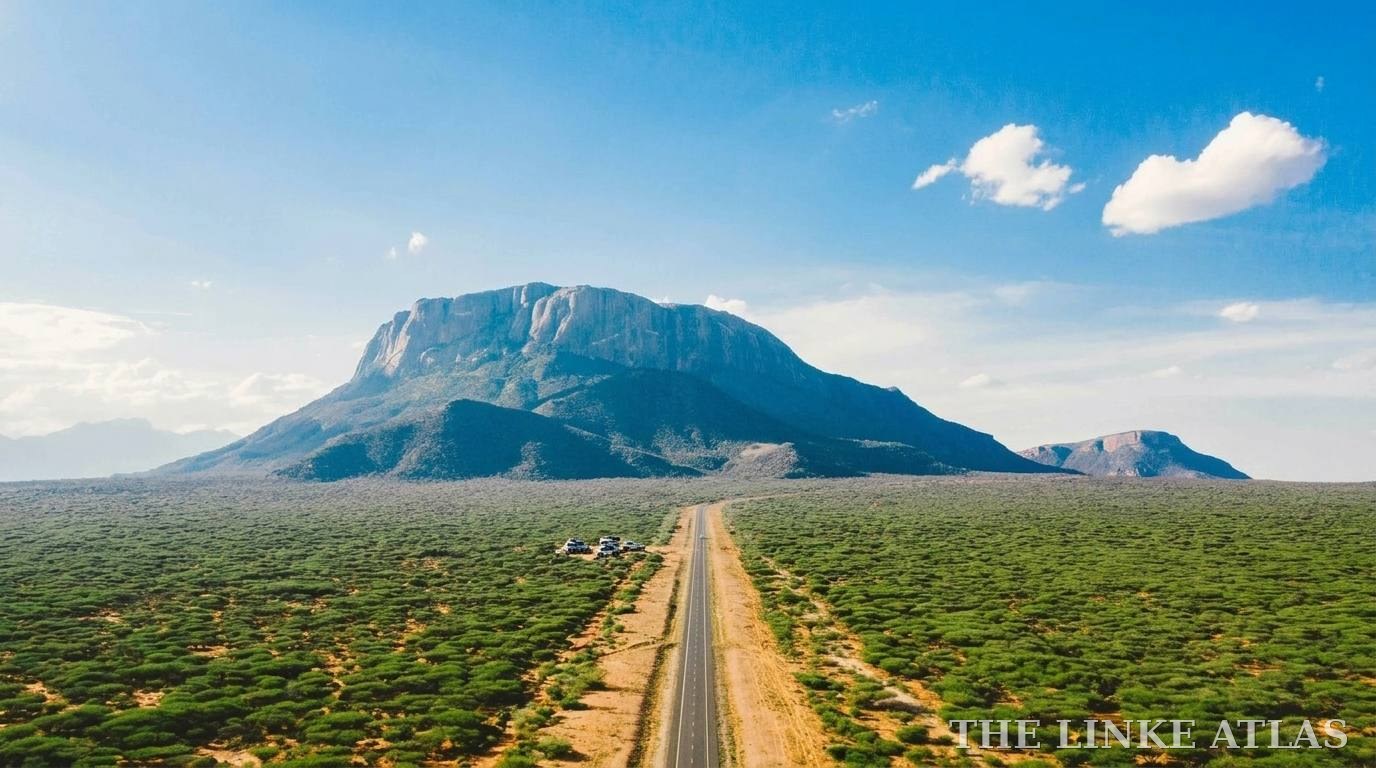
Mountains such as Ololokwe and Mount Nyiro hold prayers and memory. Follow your guide, keep your voice low, and add a stone to the cairn only if you are invited to. Take nothing from the site and leave nothing behind.
Small habits that help
- Offer and receive things with your right hand, or both hands. This is a common courtesy across Kenya.
- Dress modestly away from the lodge, with shoulders and knees covered.
- Household customs differ. For example, Samburu warriors traditionally avoid eating in front of women, so let your host guide you at mealtimes.
- Be patient with time. Visits and plans often move more slowly than a schedule says.
- Do not hand out sweets or money to children. Ask your host how you can give back.
Buying beadwork and crafts
Beadwork carries meaning: colours and patterns say who you are, where you come from and what you are celebrating (see Beadwork as Language). Buy directly from the makers or from cooperatives, such as Nyiro Beadwork Cooperative on our Partners page, ask what a piece means, and pay a fair price instead of bargaining it down hard.
Give something back
The Linke Legacy lists seven ways visitors can contribute through skills, time, knowledge and care for the land, not only money. See how.
Take the guide with you
The free Ololokwe Visitor Field Guide puts the essentials in one short PDF: the route, the hike, respect on the mountain, the sky and where to stay.
Facts checked in October 2026 against published sources, which sometimes disagree. Fees, opening arrangements and road conditions change, so confirm with your host or guide before you travel.
Sources: Cultural Atlas (SBS), Kenyan culture: etiquette; Hello Travel, Kenya cultural guide; 4stogo, Visiting Maasai and Samburu communities respectfully; Matador Network, Nomadic tribes of eastern Africa; our own journal piece, Why Some Places Are Never Walked Alone.